

What is Flash Frozen Cured?
Ice to vapour, never liquid.
Flash Frozen Curing is a patented scientific method whereby fresh cannabis is flash frozen and then dried under vacuum using temperature, time, and pressure. No solvents or chemicals are ever used.
For adults 21+.
The four stations
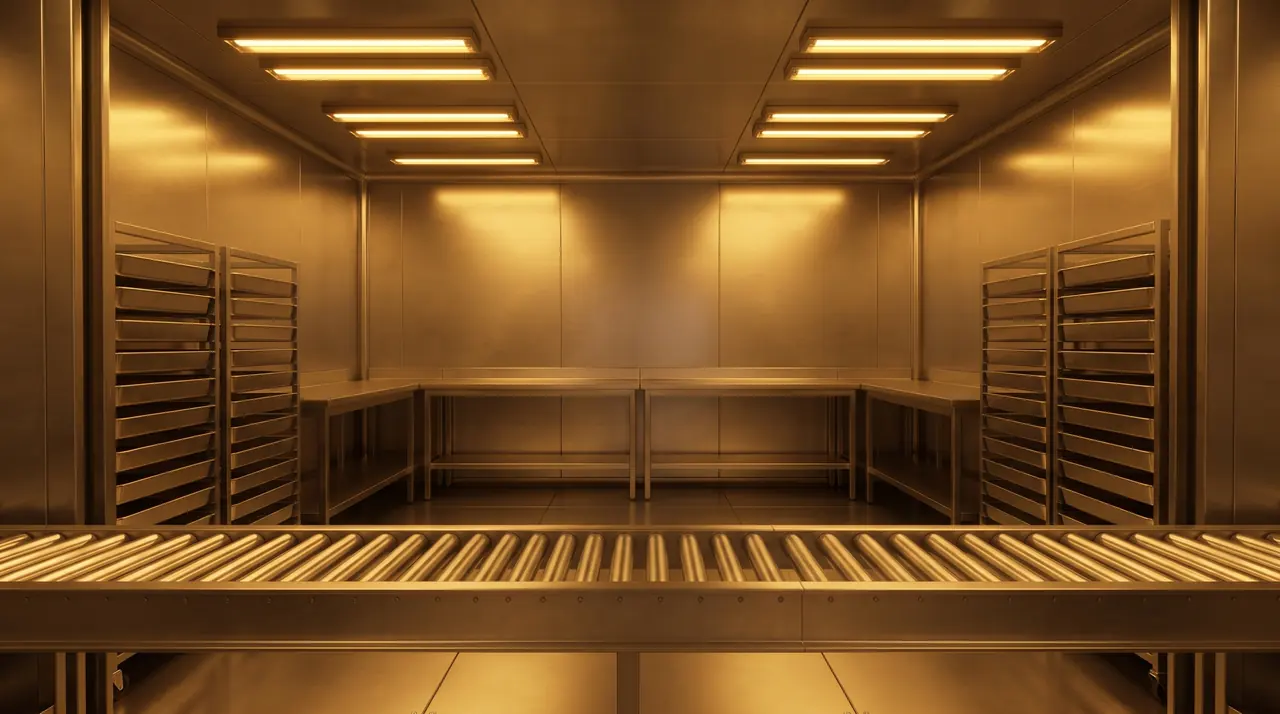
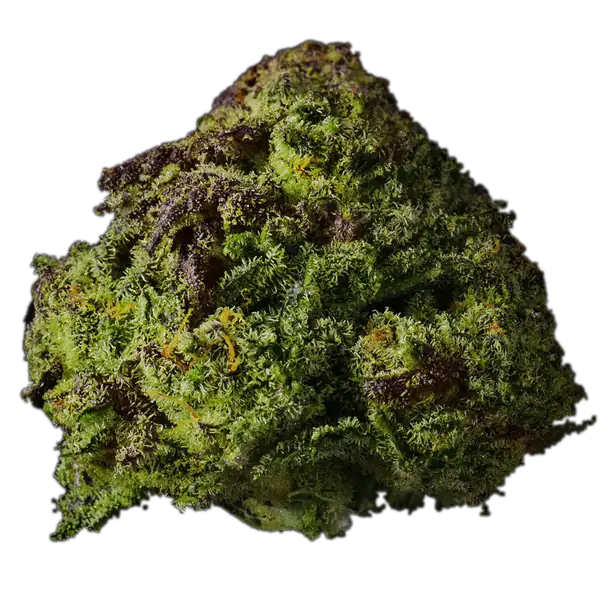


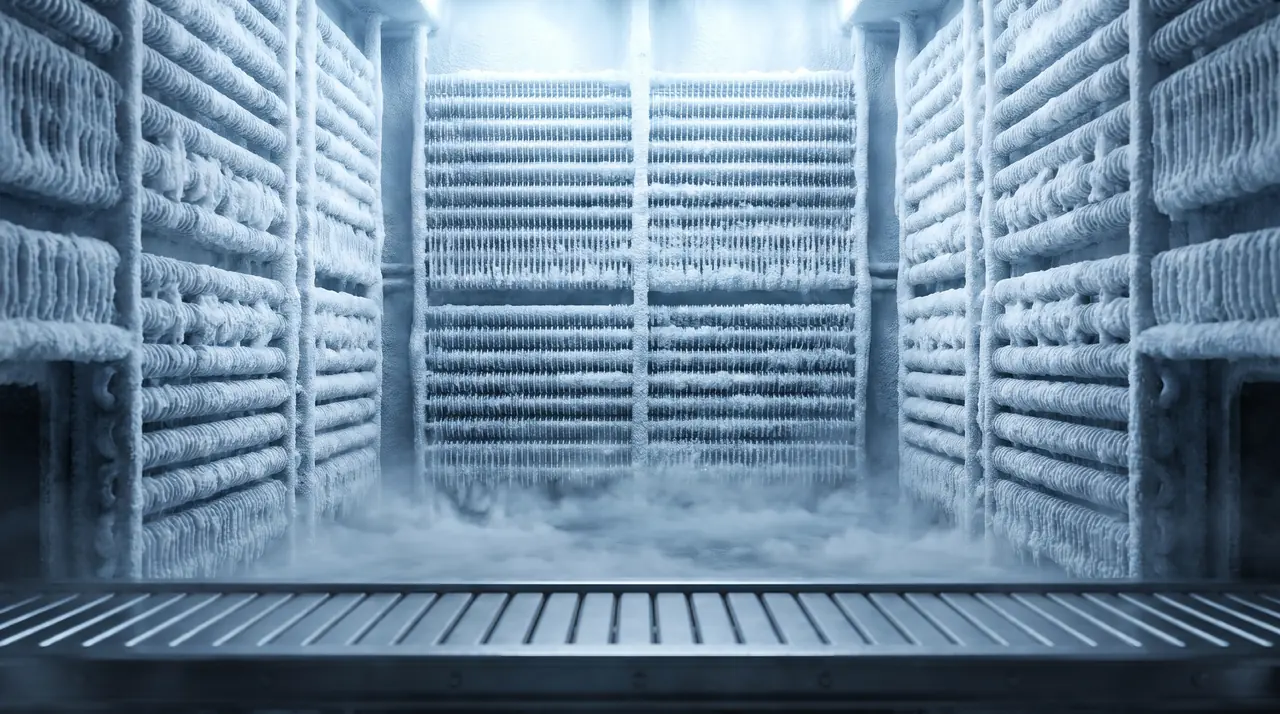

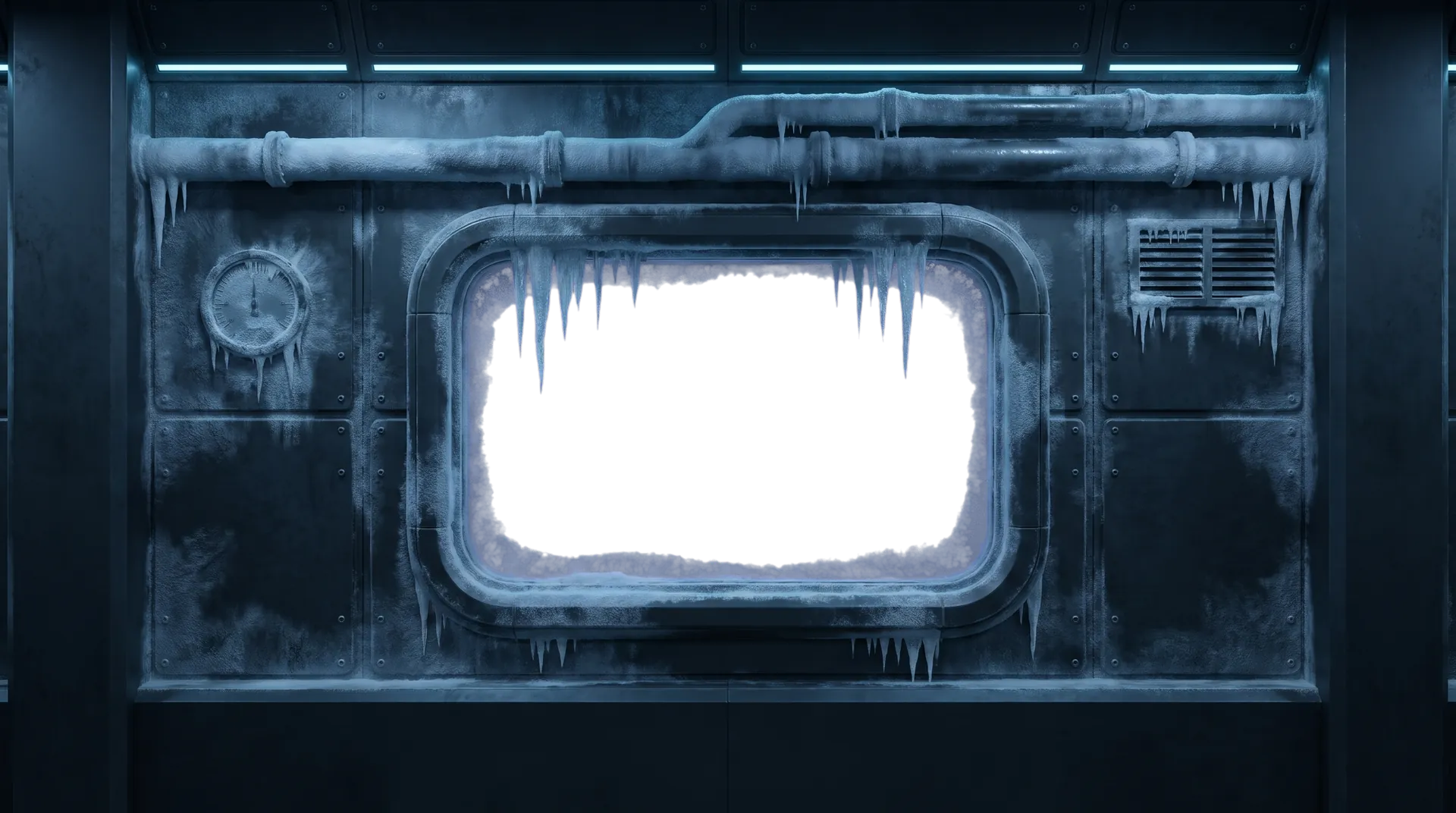
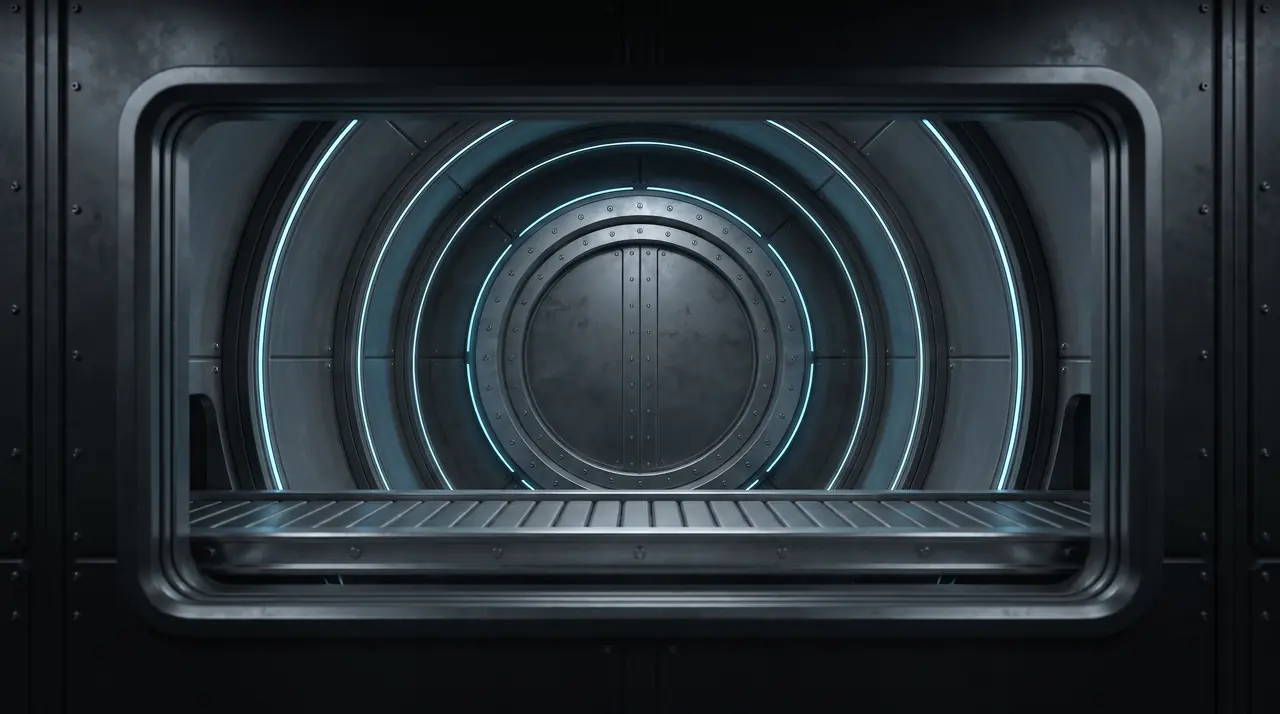

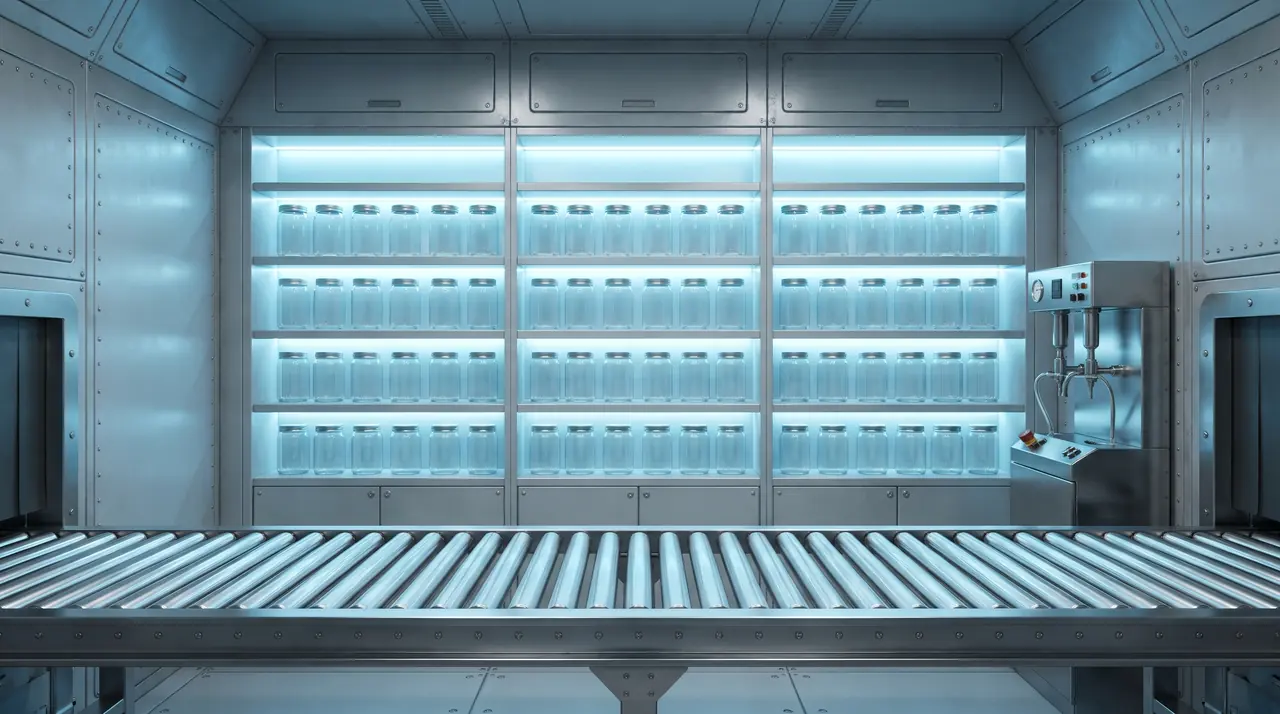


-
Harvest
The plant is harvested and the flower is taken off the stem.
-
Freezer
Frozen within an hour of harvest. It waits as ice until it is dried.
-
Vacuum
In the chamber the frozen water goes straight from ice to vapour and is pulled away. It never melts.
-
Jar
Over 80% of the water is gone. With the water’s weight out of it, a gram fills the jar like two, and the bud breaks up by hand.
The method
Follow the water.
In a vacuum, ice skips melting and goes straight to vapour.
Below the triple point of water, 611.657 pascals, ice cannot melt. It can only leave as vapour, and that is how over 80% of the water leaves the flower.
Instrument: water’s phase diagram
Liquid water
At harvest the water in the flower is liquid.
The record
Four issued US patents.
All titled “Method of drying botanicals”, with Eric Young as the inventor, and all four trace back to one provisional application filed on 18 June 2018. The first was granted on 5 May 2020. They are public record at the US Patent and Trademark Office.
File · Method of drying botanicals · the four front pages, as printed
- Filed 5 April 2019 · Granted 5 May 2020The patent, PDF, 519 KB
- Filed 20 February 2020 · Granted 7 December 2021The patent, PDF, 482 KB
- Filed 9 April 2020 · Granted 7 June 2022The patent, PDF, 540 KB
- Filed 3 December 2021 · Granted 14 May 2024The patent, PDF, 418 KB
Keeping it
Three things keep it right.
Keep it sealed. Air is the enemy of the texture. Keep it cool. A cupboard, not a windowsill. Keep it dark. Light works on flower the way it works on anything green.
That’s it. No humidity packs, no fussing. And it is meant to break up by hand: just pinch, break, and roll.


Space Weed flower, dried. The client’s photograph.
Engine room
Why a vacuum.
In a vacuum, ice does not melt. It leaves as vapour.
That is the whole method: cold first, then a vacuum, and the ice goes out as vapour without melting.